Introduction to Enterprise Governance

Enterprise governance refers to the framework of processes, structures, and practices that organizations implement to ensure that their operations align with their strategic goals and objectives. It functions as a comprehensive management system that oversees the performance of not only a company’s internal affairs but also its external interactions with stakeholders, regulatory bodies, and the market. It integrates seamlessly with corporate governance, which primarily focuses on the leadership and oversight mechanisms at the organizational level.

The importance of enterprise governance cannot be overstated. It serves as a critical backbone for organizational integrity, ensuring compliance with laws and regulations, thereby mitigating risks while enhancing transparency. Effective enterprise governance practices establish parameters for decision-making, clarifying roles and responsibilities. This clarity fosters an environment of responsibility where both managers and employees are accountable for their actions, enabling better alignment with the organization’s strategic vision.

Within the scope of enterprise governance, several key components are essential; strategic alignment, risk management, compliance, and performance management are among the most significant. Strategic alignment ensures that all operational activities support the overarching business objectives, while risk management focuses on identifying, assessing, and minimizing risks that could impede the organization’s success. Compliance involves adhering to relevant laws, standards, and regulations, which are paramount for maintaining the organization’s reputation and operational license.

Furthermore, performance management assesses how effectively the organization meets its objectives. By monitoring and evaluating performance metrics, organizations can make informed decisions based on empirical data, leading to continuous improvement. Altogether, these components form a framework that empowers organizations to navigate complexities in today’s business landscape, aligning resources towards achieving long-term sustainability and success.

Key Components of Enterprise Governance

Enterprise governance encompasses a range of critical components that together create a comprehensive framework for organizational effectiveness and accountability. Understanding these components is essential for any organization aiming to implement robust governance practices.

One of the primary elements of enterprise governance is the governance framework itself. This framework typically outlines the processes, practices, policies, and structures that influence how the organization is directed and controlled. A well-defined governance framework provides clarity around roles and responsibilities, enabling decision-makers to operate within an established set of guidelines that align with the organization’s objectives.

Equally important are governance policies, which serve as formal rules and guidelines that govern the actions and decisions of stakeholders within the organization. These policies help ensure compliance with legal requirements and ethical standards, making them vital for risk management and long-term sustainability. Policies can range from financial management to human resources, covering diverse areas essential to the organization’s overall performance.

Governance committees also play a significant role in enterprise governance. These committees typically consist of individuals with varying expertise who come together to oversee specific aspects of governance, such as audit, risk management, and compliance. Their work provides the necessary oversight and direction to ensure that governance practices are adhered to and continuously improved.

Lastly, stakeholder involvement is a fundamental component of enterprise governance. Engaging stakeholders—including employees, shareholders, customers, and the community—ensures that diverse perspectives are considered in decision-making processes. This engagement not only fosters transparency but also enhances trust, leading to more effective governance outcomes.

In essence, each of these components—governance frameworks, policies, committees, and stakeholder involvement—plays a pivotal role in establishing a strong foundation for enterprise governance, ultimately driving the organization toward success.

The Role of Leadership in Enterprise Governance

Leadership plays a pivotal role in shaping the governance structure of an enterprise. Effective governance is essential for organizations as it fosters accountability, transparency, and compliance with laws and regulations. In this context, leaders set the tone for governance practices by embodying the values and principles they wish to instill throughout their organization. Through their decisions and actions, leaders create a culture that aligns with the organization’s governance objectives.

One of the primary responsibilities of leaders in enterprise governance is ensuring compliance with relevant regulations and standards. This involves not only adhering to legal requirements but also promoting ethical conduct and best practices within the organization. By prioritizing regulatory compliance, leaders help mitigate risks that could jeopardize the organization’s reputation and operational integrity. They must also implement rigorous internal controls and policies to safeguard against non-compliance.

Furthermore, accountability is another critical component of governance that leaders must champion. By establishing clear roles and responsibilities, leaders can ensure that individuals within the organization are held accountable for their actions. This accountability is essential for creating a governance structure that supports long-term objectives and operational excellence. Additionally, leaders encourage open communication and feedback, fostering an environment where employees feel empowered to report concerns and contribute to governance initiatives.

Visionary leadership is equally significant in guiding enterprise governance initiatives. Leaders must not only react to current governance challenges but also anticipate future trends and potential disruptions. By embracing innovative solutions and encouraging a proactive approach to governance, leaders can position their organizations to thrive in an ever-evolving business landscape. This vision serves as a guiding force, inspiring teams to work collaboratively towards shared governance goals that support the overall mission of the enterprise.

Benefits of Effective Enterprise Governance

Effective enterprise governance is a fundamental aspect that organizations must prioritize to ensure their longevity and success in the competitive market. One of the primary benefits of strong governance practices is the improvement in decision-making processes. With clear frameworks and defined roles, organizations can expedite decision-making, enabling timely and informed choices that contribute to overall efficiency and effectiveness.

Additionally, robust enterprise governance plays a crucial role in enhancing organizational performance. By establishing a coherent structure for managing resources and aligning business objectives with strategy, organizations can experience increased operational excellence. The result is a more agile organization, capable of adapting to change and maximizing opportunities in its industry.

Moreover, effective governance significantly contributes to risk mitigation. By instituting policies and procedures that foster accountability and transparency, organizations can proactively identify potential risks and implement strategies to minimize their impact. This risk-aware culture not only protects assets but also cultivates a more resilient organization that is prepared for unforeseen challenges.

Another key advantage of strong governance is the increase in stakeholder trust. When organizations adhere to high governance standards, stakeholders—including shareholders, employees, and customers—are more likely to have confidence in the organization’s integrity and capabilities. This trust can translate into stronger relationships, improved collaboration, and ultimately, enhanced stakeholder engagement.

Lastly, effective enterprise governance ensures better alignment of objectives across the organization. By clarifying the organization’s vision and goals, all departments and individuals can work towards a common purpose. This cohesion promotes synergy and drives the achievement of strategic initiatives.

Challenges in Implementing Enterprise Governance

The implementation of enterprise governance frameworks presents various challenges that organizations must navigate to achieve effective governance. One prominent barrier is the inherent resistance to change that often exists within established corporate cultures. Employees and management may be accustomed to traditional ways of conducting business, making the adoption of new governance structures seem daunting. This resistance can slow down the implementation process, creating friction between teams that are aligned with the new governance model and those who prefer the status quo.

Another significant challenge is the complexity involved in integrating governance frameworks within existing organizational structures. Many organizations have pre-existing processes and systems that may not easily align with new governance policies. This integration effort often requires extensive time, expertise, and financial investment, which organizations may not readily possess. The intricacies of aligning different business units under a single governance framework can lead to confusion and overlap, ultimately undermining the framework’s effectiveness.

Regulatory compliance issues also present hurdles during the implementation phase of enterprise governance. Organizations must navigate a web of local and international regulations that affect governance practices. Failing to understand and comply with these regulations can lead to legal repercussions and financial penalties, thereby deterring organizations from fully committing to governance reforms. Furthermore, the rapidly evolving nature of regulatory landscapes necessitates that organizations stay informed and adaptable, which can be resource-intensive.

Finally, resource constraints are a significant barrier in implementing effective enterprise governance. Organizations often face limitations in terms of manpower, financial resources, and technological capabilities. The absence of sufficient resources can hamper the implementation efforts, as organizations may struggle to dedicate the necessary personnel or invest in technology that supports the governance framework. Together, these challenges highlight the complexities that organizations must address when seeking to implement enterprise governance effectively.

Best Practices for Enterprise Governance

To establish a robust enterprise governance framework, organizations should implement several best practices that enhance oversight, compliance, and stakeholder engagement. A governance framework outlines the structure, roles, and responsibilities vital for achieving strategic objectives while managing risks. One effective approach is to create a dedicated governance committee comprised of key leaders who can provide direction, monitor performance, and enforce accountability.

Engaging stakeholders is paramount to successful enterprise governance. Organizations should ensure that all relevant parties, including employees, customers, and shareholders, have the opportunity to voice their concerns and contribute to governance initiatives. Regular stakeholder meetings and feedback sessions can help in aligning governance goals with the interests of various groups, fostering a culture of transparency and collaboration.

Another essential practice is the implementation of regular reviews of governance processes. By establishing a routine assessment timetable, organizations can identify any gaps or inefficiencies within their governance framework. This proactive approach allows for timely adjustments to policies and procedures, ensuring that governance remains relevant and effective in a rapidly changing environment.

Moreover, leveraging technology can greatly enhance enterprise governance. Tools that facilitate data collection, analysis, and reporting can provide organizations with deeper insights into their governance practices. Utilizing software that consolidates governance-related documentation and compliance records not only streamlines processes but also supports informed decision-making at all levels. Deploying advanced analytics can also aid in identifying emerging risks and opportunities, thus reinforcing the overall governance posture.

By adopting these best practices, organizations can strengthen their enterprise governance, ensuring that they remain agile and resilient in the face of challenges while also fulfilling their obligations to stakeholders.

Case Studies: Successful Enterprise Governance Implementation

Enterprise governance has become a critical area of focus for organizations seeking to enhance their operational efficiency and manage risks effectively. This section discusses various real-world examples of organizations that exemplified successful enterprise governance practices, focusing on the strategies employed, challenges faced, and the beneficial outcomes achieved.

One notable case study involves a multinational financial services firm that sought to improve its governance structures following a series of compliance issues. The firm implemented a comprehensive enterprise governance framework that integrated risk management, compliance, and accountability mechanisms. By adopting a systemic approach, the organization was able to streamline decision-making processes and establish clear roles and responsibilities across departments. The outcome was remarkable; not only did the organization mitigate potential risks, but it also improved its regulatory compliance ratings, ultimately enhancing stakeholder confidence.

Another compelling example can be found in a global technology company that embraced enterprise governance to foster innovation while maintaining stringent regulatory standards. The company introduced an agile governance model that allowed for quick adaptations to the rapidly changing technological landscape. By employing cross-functional teams and leveraging data analytics for informed decision-making, the organization successfully navigated challenges surrounding cybersecurity and compliance. As a result, the firm not only maintained its competitive edge but also recorded a significant increase in customer satisfaction and trust.

Lastly, a leading healthcare provider developed a governance strategy focused on patient-centric care while ensuring operational efficiency. This organization faced significant challenges, including disparate data systems and inconsistent compliance with healthcare regulations. By implementing an integrated governance structure that prioritized data transparency and patient outcomes, the healthcare provider achieved significant improvements in service delivery and regulatory compliance, positioning itself as a leader in patient care.

These case studies illustrate the diverse strategies and approaches organizations can adopt to implement effective enterprise governance practices. By learning from the experiences of others, organizations can better navigate their governance challenges and achieve sustainable success.

Future Trends in Enterprise Governance

As organizations evolve, enterprise governance must adapt to meet emerging challenges and expectations. A significant trend is the increasing integration of technology in governance frameworks. With advancements in artificial intelligence, data analytics, and blockchain, companies are harnessing these tools to enhance transparency, streamline operations, and improve decision-making processes. Technology not only increases efficiency but also empowers organizations to respond swiftly to compliance requirements and potential risks, thereby leading to a more resilient governance structure.

Another critical aspect reshaping enterprise governance is the focus on sustainability and corporate social responsibility (CSR). Stakeholders, including consumers and investors, are demanding greater accountability regarding environmental impacts and ethical practices. This shift prompts organizations to redefine their governance strategies to include sustainability metrics. By aligning their operations with sustainable principles, firms enhance reputation, foster trust, and ultimately secure long-term success. This commitment to CSR can also serve as a competitive advantage, attracting socially conscious investors and talent.

The evolving landscape of regulatory requirements is another trend influencing enterprise governance. Governments and regulatory bodies worldwide are becoming more stringent in enforcing compliance, driven by ongoing political, economic, and social changes. Businesses must stay ahead of these regulations by adapting their governance frameworks to ensure continuous compliance. This proactive approach minimizes risks associated with legal repercussions and enhances corporate credibility. It is essential for organizations to foster a culture of compliance that permeates throughout the entity, ensuring that every employee understands the importance of adhering to these regulations.

Looking to the future, organizations that embrace these trends are likely to lead in the governance landscape. The interplay between technology, sustainability, and regulatory requirements will define successful governance models, promoting transparency, ethical practices, and resilience. As enterprises navigate this evolving environment, proactive adaptation to these trends will be crucial for sustaining competitive advantage and ensuring long-term viability.

Conclusion and Next Steps

In summary, effective enterprise governance is essential for organizations aiming to achieve strategic objectives while mitigating risks and ensuring compliance. Throughout this blog post, we have explored the vital components of enterprise governance, including the establishment of clear policies, the importance of stakeholder engagement, and the integration of risk management frameworks. These elements serve not only to enhance organizational effectiveness but also to foster a culture of transparency and accountability.

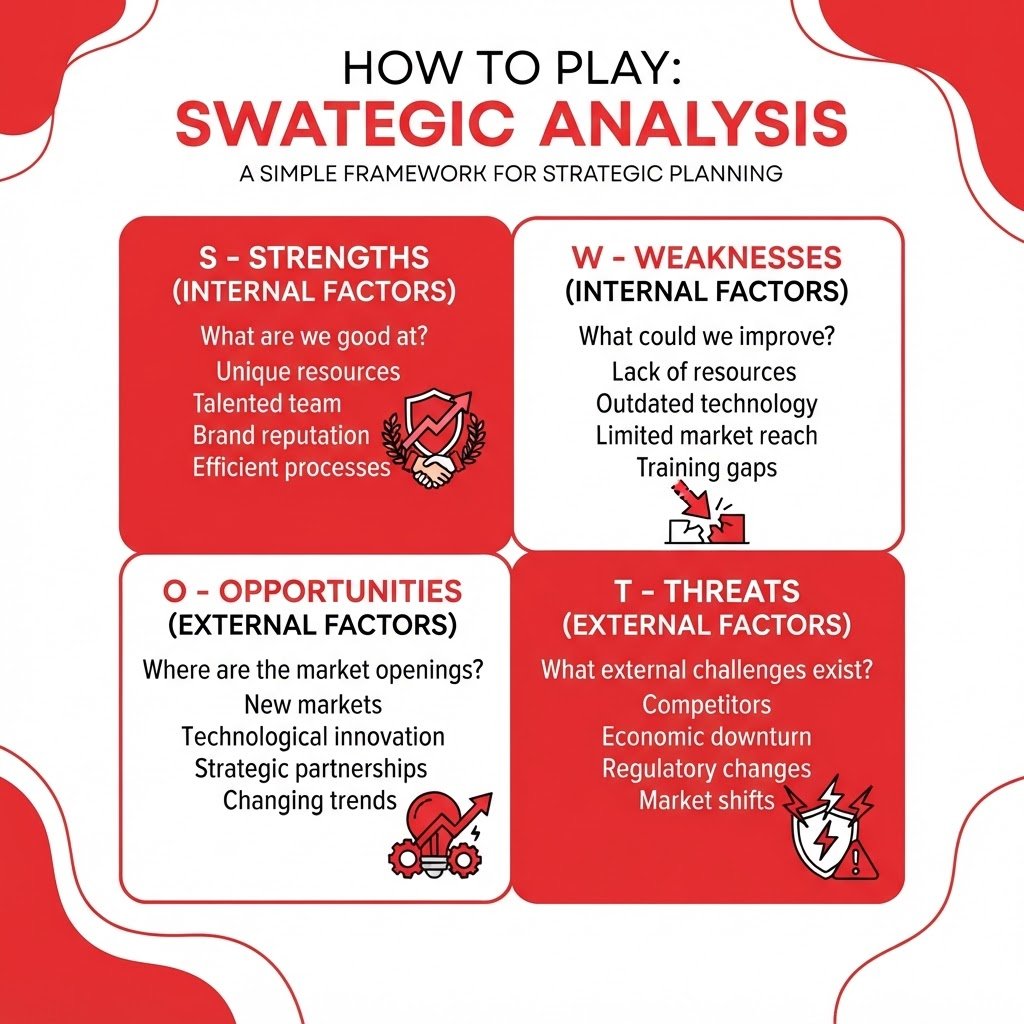
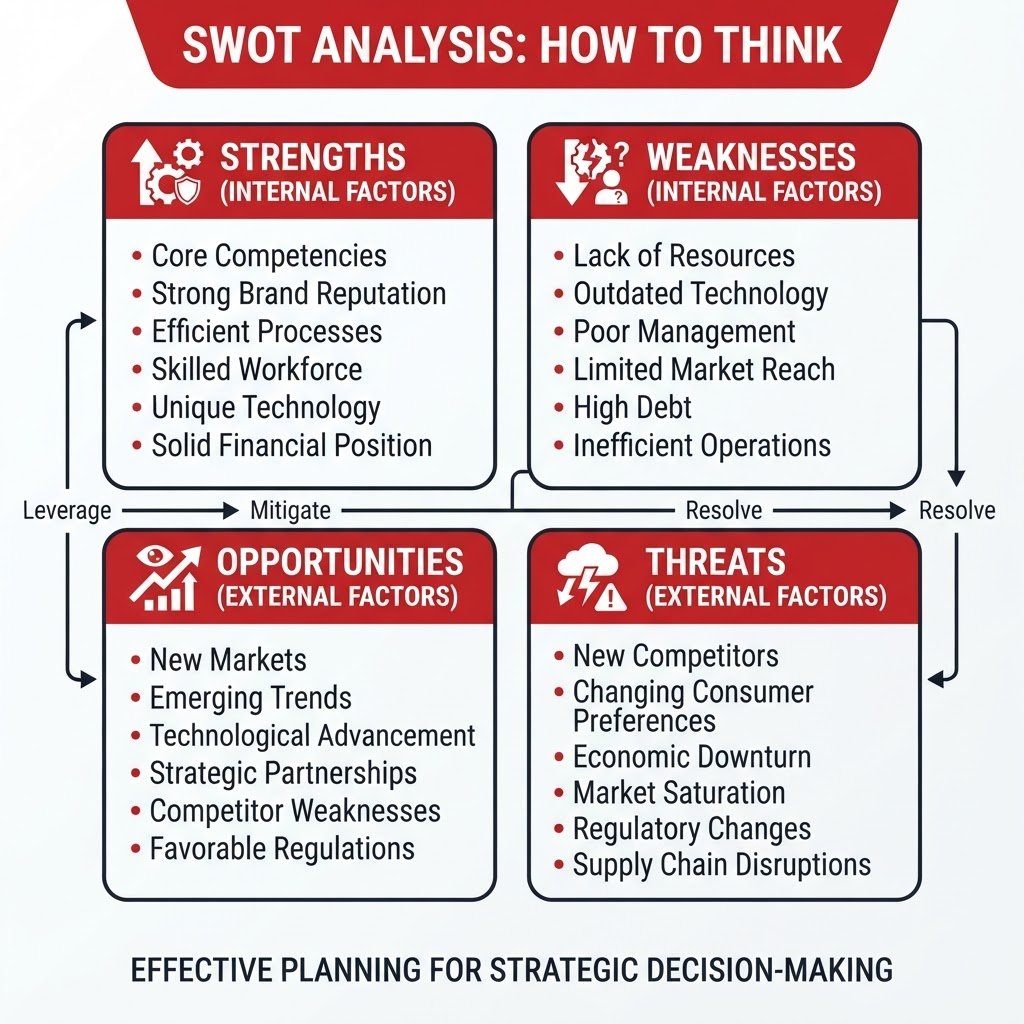
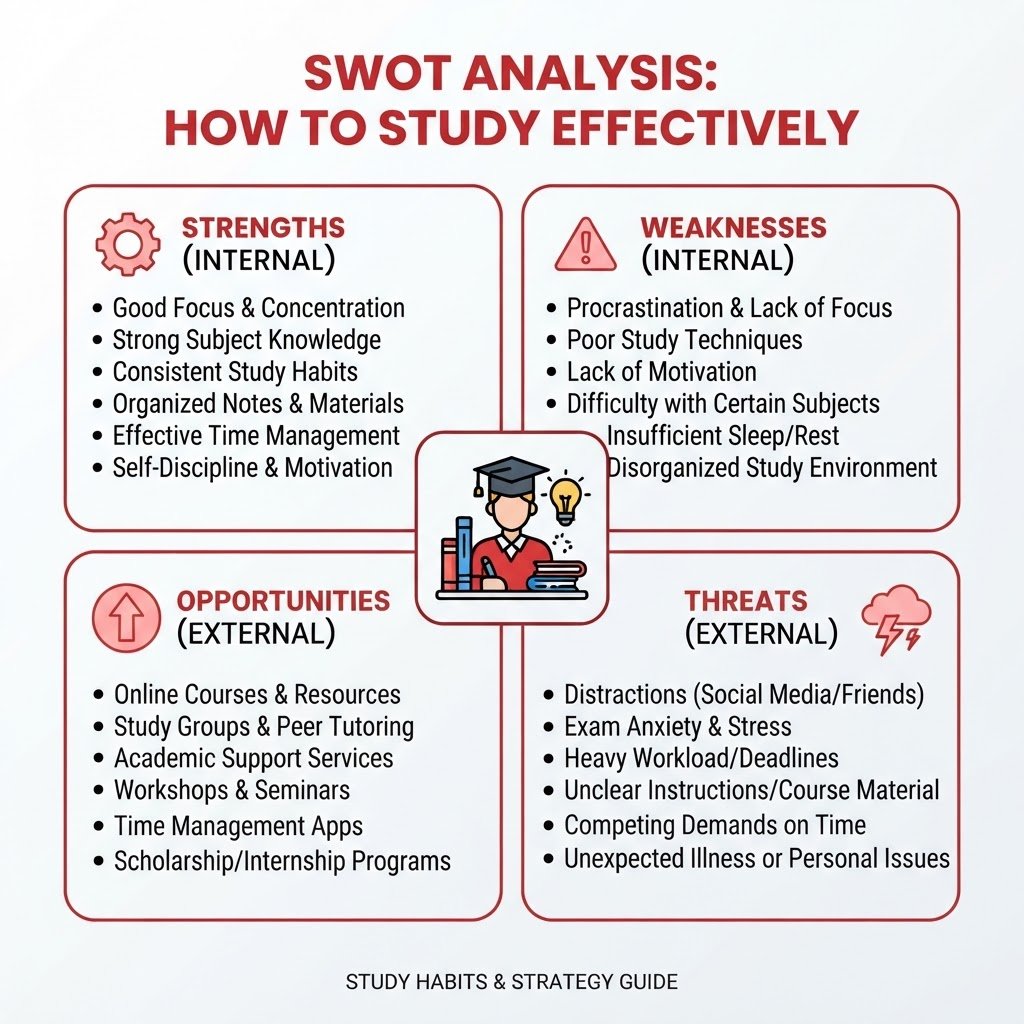
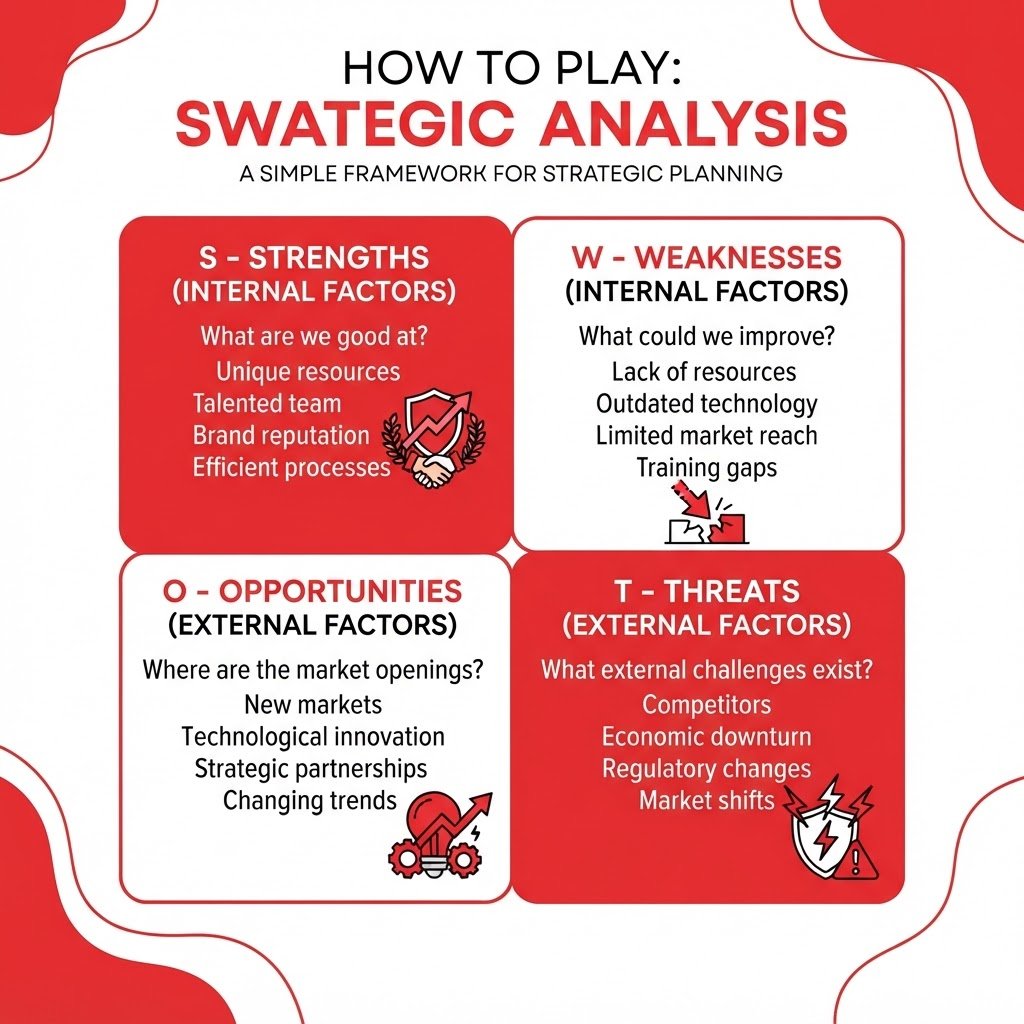
As organizations reflect on their current governance structures, it is imperative to assess both strengths and weaknesses. Organizations should examine existing policies and procedures to ensure they align with best practices. Additionally, engaging with stakeholders at all levels can provide valuable insights that drive continuous improvement in governance practices.

Moving forward, organizations are encouraged to take actionable steps towards enhancing their enterprise governance. This may include conducting comprehensive assessments of current governance frameworks, investing in governance training for staff, and establishing regular reviews to adapt policies as needed. Organizations may also consider leveraging technology to streamline governance processes and improve communication of policies and responsibilities.

By taking these steps, organizations can significantly enhance their governance practices, leading to improved decision-making and organizational resilience. Recognizing that enterprise governance is not a one-time effort, but rather an evolving process, organizations should commit to ongoing evaluation and adjustment of their governance strategies. In conclusion, fostering strong enterprise governance is not only beneficial but also necessary to thrive in today’s complex business environment.